

How to Remove Mould from Ceilings
How to Remove Mould from your Bathroom Ceiling
Mould growth in bathrooms, particularly on the ceiling, is a common problem many homeowners face. Not only is it unsightly, but it can also lead to health issues if left untreated. Dealing with bathroom ceiling mould requires a combination of removal and prevention strategies.
In this blog post, we will discuss effective methods to remove mould from your bathroom ceiling and provide tips on how to prevent it coming back.

Before you Begin
Safety First
Before you begin any mould removal process, ensure you prioritise safety. Mould spores can be harmful when inhaled, so it's important to take the necessary precautions. Wear protective gloves, goggles, and a respiratory mask to minimise exposure. Open windows or use a fan to improve ventilation during the cleaning process.
Gather Your Supplies
To remove bathroom ceiling mould effectively, you'll need a few basic supplies. These include:
- A ladder or step stool for accessing the ceiling.
- A scrubbing brush with stiff bristles and a sponge.
- Mild detergent or a specialised mould cleaner.
- Bleach or the natural option - white vinegar.
- Warm water.
- A bucket.
- Old towels or rags for drying.


Mould Remover (Recommended)
- Fast-acting mould remover - Watch black mould disappear right before your eyes. Dryzone Mould Eliminator is a mould & mildew cleaner for walls, ceilings, floors and other household surfaces.
- Effortless cleaning - Watch the mould disappear almost instantly with little to no scrubbing needed. Spray, rinse and wipe away black mould in minutes.
- Restore bathroom, kitchens and household surfaces - super-effective on walls, ceilings and tiles. Use wherever you see black mould growth. Results may vary on grout and silicone sealant.
- Part of the Dryzone Anti-Mould range - Use Dryzone Mould Eliminator to wipe away unsightly mould stain. Finish the job by applying Dryzone Mould Sanitiser. Leave for 1 hour then rinse away.
- Don’t forget Dryzone Mould Sanitiser - The sterilizing mould cleaner. Get astonishing visual results in less than 3 minutes and use Dryzone Mould Sanitiser to keep biological growth away for good.
How to remove mould from ceilings
Step 1: Prep the area: Place old towels or rags on the floor to catch any drips or debris. This will make the cleanup easier.
Step 2: Clean the surface: Mix warm water with mild detergent or a specialised mould cleaner in a bucket. Dip the scrubbing brush or sponge into the solution and gently scrub the affected areas. Avoid using excessive water, as it may seep into the ceiling and cause additional damage.
Step 3: Rinse or repeat: If the mould persists, rinse the area with clean water and repeat the cleaning process. For stubborn mould stains, you can use a diluted bleach solution (1 part bleach to 5 parts water). If you are using white vinegar its a good idea to use a spray bottle. Apply it to the affected areas, let it sit for a few minutes, then scrub gently and rinse thoroughly.
Step 4: Dry the ceiling: After cleaning, use old towels or rags to dry the ceiling. Make sure it is completely dry to prevent future mould growth.

Prevent Ceiling Mould Returning
To avoid bathroom ceiling mould returning, here are some measures you can take:
Improve ventilation
Proper ventilation is key to preventing mould growth. Ensure your bathroom has a working extractor fan or a window that can be opened to allow fresh air circulation. Run the fan during and after hot showers to remove excess moisture.
Control humidity
High humidity levels create an ideal environment for mould to thrive. Use a dehumidifier or open windows to reduce moisture levels in your bathroom. Additionally, fix any plumbing leaks promptly and ensure proper sealing around the shower or bathtub area.
Regular cleaning
Regularly clean your bathroom, including the ceiling, to prevent mould from taking hold. Wipe down surfaces with an specialised cleaner or a mixture of vinegar and water. Pay attention to areas prone to moisture, such as corners and grout lines.
Monitor and address water damage
Keep an eye out for any signs of water damage, such as peeling paint or discoloured patches on the ceiling. These can indicate leaks that may contribute to mould growth. Fix any water leaks promptly and repair any damaged surfaces.
Shower Panel, Wall Panel and Ceiling Panel Buying Guides

Shower Panel Buying Guide
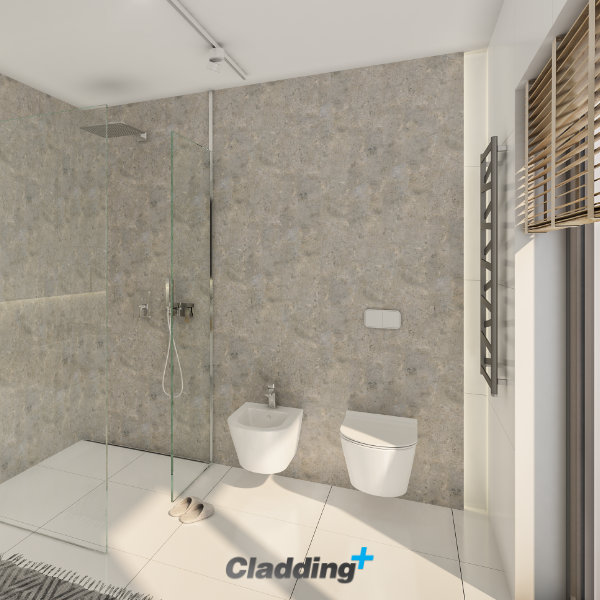
Wall Panel Buying Guide
